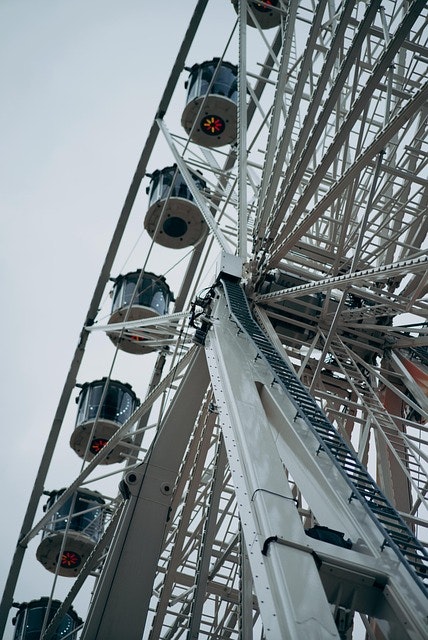
Understanding Liability for Amusement and Water Park Injuries
Amusement and water parks offer families a chance to unwind, have fun, and create lasting memories. But when an unexpected accident happens, the consequences can be confusing and overwhelming. Knowing how liability works, who may be responsible, and what steps to take can make a difficult situation easier to navigate.
Most people do not expect to face serious harm while enjoying a day out. Yet accidents in recreational settings can lead to significant physical, emotional, and financial challenges. Understanding your rights is the first step toward protecting yourself after an injury.
Common Injuries at Amusement and Water Parks
Accidents at entertainment attractions can cause injuries that vary widely in severity. The type of harm a person experiences usually depends on the ride, the park environment, and how well safety rules are enforced. Even minor incidents can develop into long-term issues if not properly addressed.
Slip-and-fall incidents are among the most frequent, particularly in water parks where walkways are consistently wet. These accidents can result in sprains, broken bones, or other painful injuries. Head trauma is also a concern on fast-moving rides or attractions with sudden motions, where concussions and more serious brain injuries may occur.
In more severe cases, visitors may suffer spinal damage from high-speed attractions, elevated structures, or unexpected falls. Musculoskeletal injuries—including strains, tears, or other soft-tissue problems—can arise when rides stop abruptly or jerk in sudden directions.
Hazards involving poorly maintained equipment or dangerous surroundings can lead to cuts, blunt-force injuries, and other sudden impacts. Water attractions carry their own risks, including near-drowning or drowning events. Injuries that first appear superficial may later require ongoing medical attention, creating emotional stress and financial strain.
Who May Be Responsible for an Injury?
Determining who is legally responsible after an amusement or water park accident can be complicated. There are often several parties involved in keeping the environment safe, and liability depends on who failed to meet their obligations.
Park operators are generally in charge of daily safety procedures. Their responsibilities include keeping rides in good condition, maintaining proper safety protocols, and ensuring staff are trained to handle equipment and monitor guests. When these duties are ignored, preventable injuries become more likely.
In some situations, property owners or managers may share responsibility. If a dangerous condition—such as broken pavement, inadequate lighting, or structural concerns—contributes to an incident, they may be held accountable for failing to correct or warn about the hazard.
Fault may also lie with equipment manufacturers. If a ride or safety feature malfunctions due to a design or production flaw, the company that created the equipment may face liability. Additionally, staff members who neglect to enforce rules or supervise visitors properly can contribute to unsafe conditions.
Because accidents often involve multiple factors, a detailed review is typically necessary to determine the true cause of the injury.
How Liability Waivers Affect Your Rights
Many amusement and water parks require guests to sign liability waivers before participating in certain activities. These documents can be confusing, and many people mistakenly assume that signing one bars them from taking any legal action.
Waivers generally inform visitors about the inherent risks associated with recreational activities. For example, fast rides may involve sharp turns, quick stops, or rapid acceleration. By signing, guests acknowledge the possibility of these ordinary risks.
However, waivers typically do not excuse a park’s negligence. If a facility fails to repair a known hazard, uses poorly maintained equipment, or allows unsafe conditions to continue, the waiver may not shield the business from responsibility. Courts may also reject waivers that are overly broad, unclear, or unreasonable.
This distinction matters. Agreeing to participate in an activity with known risks is not the same as accepting harm caused by preventable safety failures.
The Financial Impact of Park-Related Injuries
An injury sustained at a recreational facility can carry significant financial consequences. Emergency treatment, ongoing rehabilitation, or specialist care can lead to substantial medical bills.
If the injured person must take time away from work, lost income can further compound the situation. More severe injuries might lead to long-term medical needs or limit future earning ability, adding to the financial strain.
These burdens often become overwhelming. For many individuals and families, understanding whether compensation is available can be an important part of recovery.
Why Time Matters After an Accident
Following an injury, taking timely action is crucial. Important evidence—such as security footage or maintenance logs—may only remain available for a short period. Physical conditions at the site of the accident can change quickly, making it harder to document what occurred.
Witness statements are also most accurate when gathered soon after the incident. As time goes on, details blur, making it more difficult to clearly understand how the accident unfolded.
Legal deadlines also apply to personal injury claims. Missing these time limits can restrict or eliminate the opportunity to seek compensation. Acting promptly helps preserve key facts and supports a more accurate evaluation of the situation.
When to Consider Speaking With a Legal Professional
Not every amusement or water park injury requires legal action. However, certain situations—such as hazardous conditions, faulty equipment, inadequate supervision, or substantial financial loss—may call for professional guidance.
A legal professional can evaluate the details of what happened, determine whether negligence may be involved, and explain the available options. As similar personal injury resources highlight, early insight can make a meaningful difference in how a case progresses.
If you or someone close to you has been harmed at an amusement or water park, reaching out for legal guidance can help you better understand your rights and what steps to take next.