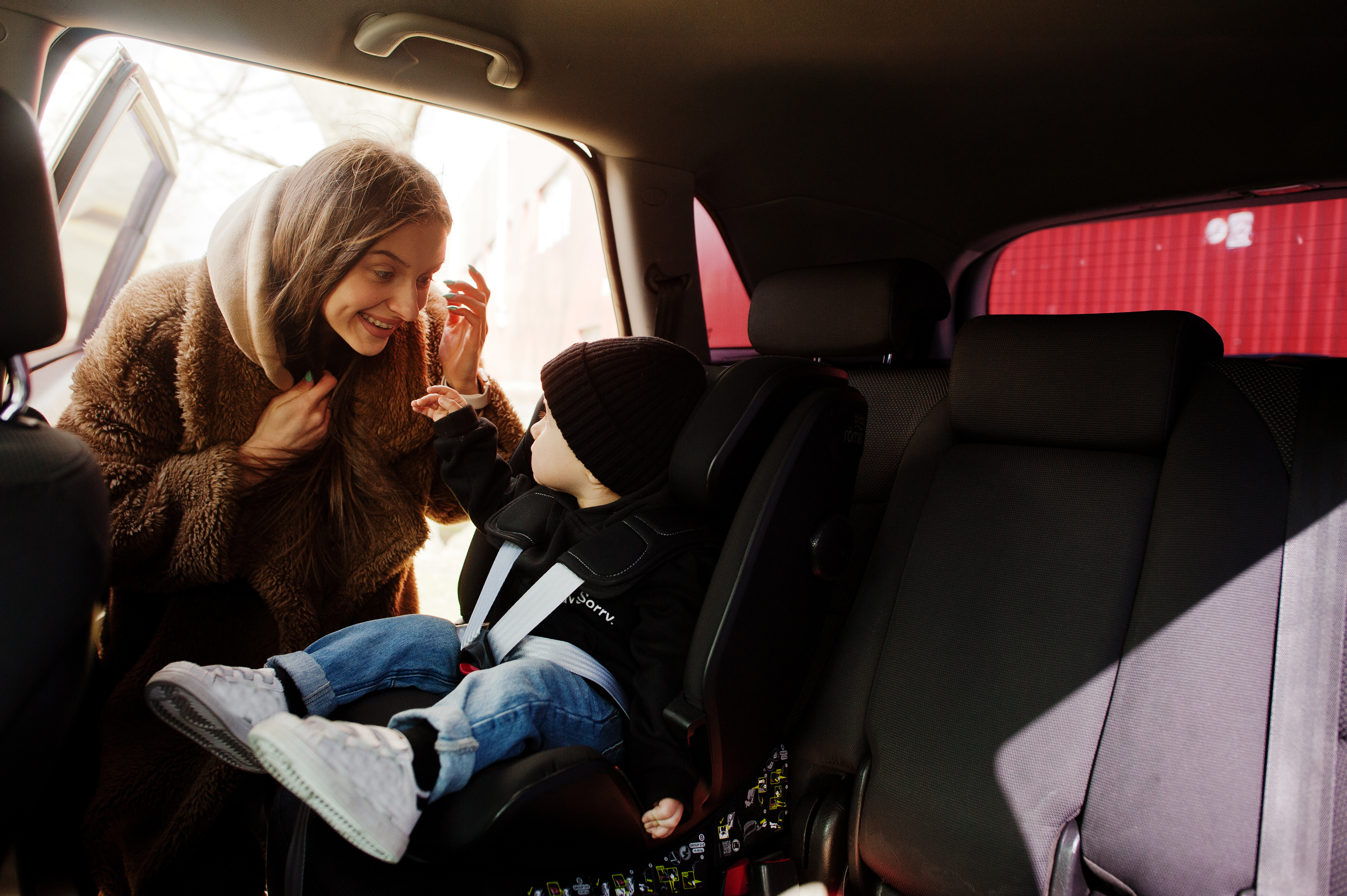
Child Passenger Safety Week Car Seat Safety Tips
Child Passenger Safety Week is a timely reminder for parents, grandparents, and caregivers to review how children are protected in the car. Car seats and booster seats may be part of everyday routines, but small fitting or installation errors can be easy to miss. Taking time to check a child’s restraint system can help families travel with greater confidence.
Motor vehicle collisions continue to be a leading cause of serious injuries among children, according to national traffic safety information. The good news is that using a car seat or booster seat correctly can greatly lower the risk of injury in a crash. A brief review of child passenger safety basics can make an important difference every time a child rides in a vehicle.
Selecting the Appropriate Car Seat
Effective child car safety starts with choosing a restraint system that suits a child’s current height and weight. Rear-facing car seats, forward-facing car seats, booster seats, and vehicle seat belts each serve a purpose at different stages of a child’s growth.
Advancing to the next type of restraint too early may limit the protection a child receives in a collision. When a car seat fits a child properly, it is better positioned to help protect the child’s head, neck, and body in the event of an accident.
Because children grow quickly, caregivers should revisit the manufacturer’s instructions on a regular basis. A car seat that was appropriate in the past may not remain the best fit as a child’s height and weight change.
Make Sure the Car Seat Is Installed Securely
A high-quality car seat cannot perform as intended if it has not been installed correctly. Installation mistakes are common, including among caregivers who have installed car seats before.
The seat should be firmly secured in the vehicle and have very little movement at its base. If it feels unstable, moves too much, or sits unevenly, it may not offer the protection it was designed to provide.
Car seat installation can be complicated, so it is important to carefully follow the installation directions and ask for assistance when needed. A few corrections may have a meaningful effect on a child’s overall safety.
Check Harness Fit and Chest Clip Placement
After the car seat is securely installed, the harness is essential for keeping a child safely positioned. Harness straps should rest flat against the child’s body, without twists, and should be snug without extra slack.
In general, the chest clip should sit level with the child’s armpits. This helps keep the harness in the correct position so it can work as intended during a sudden stop or motor vehicle collision.
Twisted straps, loose harnesses, and misplaced chest clips can reduce the effectiveness of the restraint system. A quick check before every drive can help ensure a child is properly secured.
Wait Until a Booster Seat Is No Longer Needed
Booster seat safety can receive less attention as children become older. However, a child may not be ready for a regular vehicle seat belt simply because they have outgrown a forward-facing car seat. Standard seat belts are made to fit adults, not smaller children.
A booster seat raises and positions a child so that the vehicle’s seat belt can rest correctly across the chest and lap. If the belt is not positioned properly, it may not provide sufficient protection in a crash.
Many children need a booster seat until they are about 4 feet 9 inches tall. Before transitioning to a standard seat belt, caregivers should confirm that the lap belt lies across the upper thighs and that the shoulder belt comfortably crosses the center of the chest.
Consider a Professional Car Seat Check
Child Passenger Safety Week is an ideal opportunity to arrange a professional car seat inspection. Even caregivers who feel certain about their setup can benefit from having a trained professional take a second look.
Certified Child Passenger Safety Technicians can identify frequent installation concerns, respond to questions, and help confirm that a car seat is being used properly. These seat checks are often available at no cost and can give families added peace of mind.
Professional safety checks can be particularly useful as children grow and move from one restraint system to another. Reviewing the setup at each transition can help make sure the child continues to have the appropriate protection.
Make Child Passenger Safety Part of Every Trip
Child passenger safety requires ongoing attention rather than a one-time decision. Since children’s needs change as they grow, their car seat or booster seat setup should be reviewed regularly.
Everyday practices such as checking the harness, confirming that the seat is installed securely, and making sure a child still needs a booster seat can help lower the risk of injury in a collision. Child Passenger Safety Week is a valuable chance to revisit these essential car seat safety steps and make updates where necessary.
Keeping children safe while traveling begins with awareness and careful attention to the details. If you have questions about a motor vehicle accident, an injury claim, or your legal rights after a collision, Franklin Injury Law, PLLC can provide trusted guidance and support when you need it most.