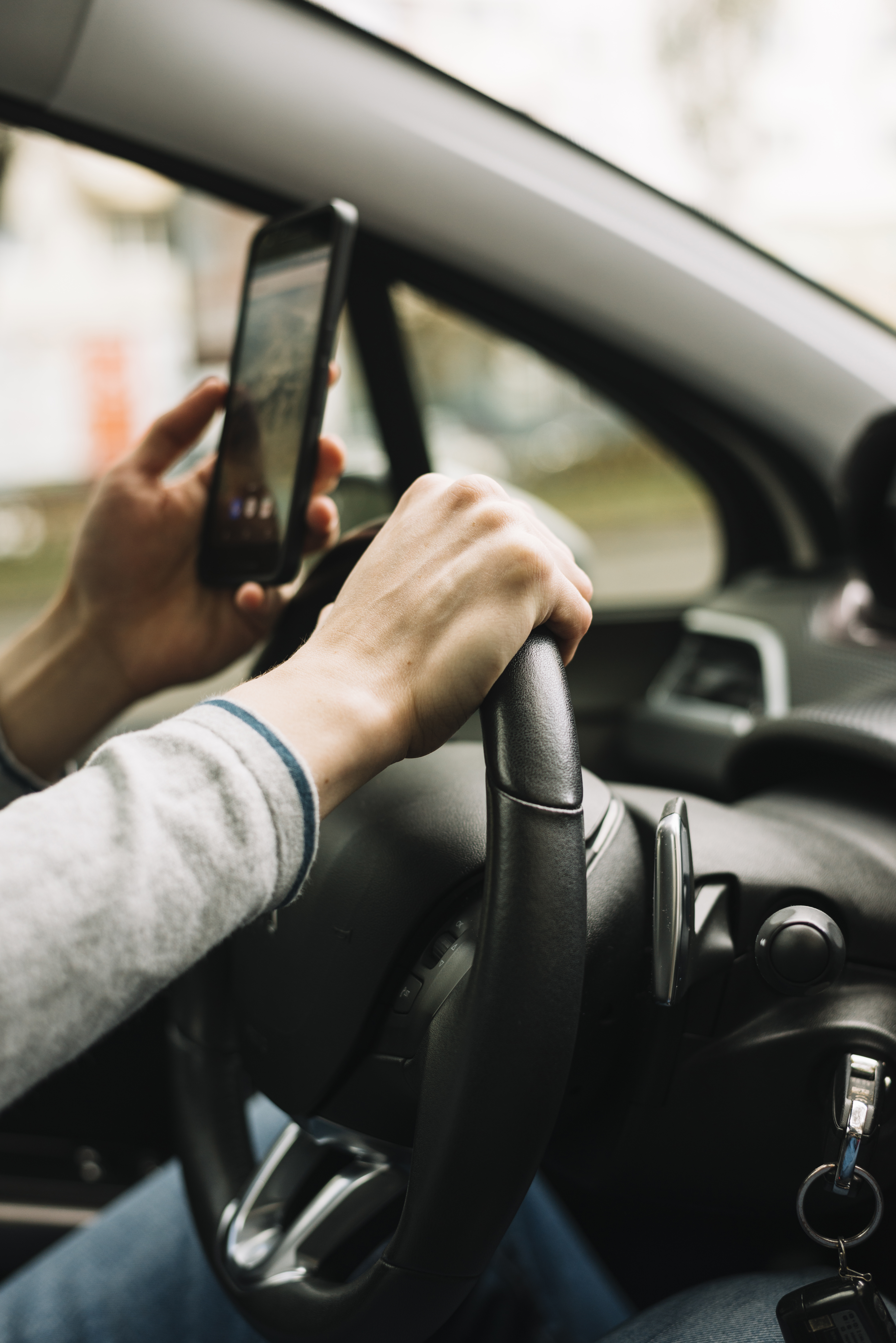
Building a Strong Case for Distracted Driving: How Modern Evidence Tells the Full Story
Distracted driving remains a major contributor to car accidents nationwide. Even though many people understand the risks, proving that a driver was distracted at the moment of a crash is often challenging. That’s why personal injury attorneys rely on a blend of digital records, witness statements, and physical clues to show how inattention led to the collision. When these different forms of evidence are combined, they can create a clear and compelling picture of what happened.
With Distracted Driving Awareness Month approaching this April, it’s a fitting time to explore how this evidence works together to help establish negligence and support injury claims.
Digital Evidence: Connecting Device Activity to the Crash
Phone Records and App Data
One of the most revealing sources of information in distracted driving cases comes from a driver’s mobile device. Phone logs, timestamps from messages, and activity from various apps can help show whether someone was using their phone around the time of the accident. Even without reading message content, time-based data alone may indicate a distraction occurred.
Accessing this information can be difficult. Phone companies often keep records for limited periods, and attorneys typically need a subpoena to obtain them. In more complex situations, forensic experts may examine the device for deleted files, background app activity, or actions like navigation checks, social scrolling, or messaging app openings—all of which help build a timeline of distraction.
Social Media and Location History
In today’s digital world, it’s increasingly common for people to interact with social platforms while driving. Posting updates, going live, or uploading photos—even if it takes only a few seconds—can become critical in a legal investigation.
Location tracking, tagged posts, check-ins, and activity patterns such as typing indicators or screen transitions can all contribute to demonstrating a driver’s attention was on a device rather than the road. When paired with phone records, this type of digital footprint can significantly reinforce a distracted driving claim.
Witness Testimony and Video Evidence: Human Insight and Visual Proof
Accounts From Witnesses
Statements from people who saw the crash—whether drivers, passengers, or pedestrians—often play an essential role in these cases. Witnesses may have noticed the driver looking down, holding a phone, or engaging in another activity just before the impact. Their observations help validate digital findings and add important context.
In some instances, witnesses also recall what happened immediately after the crash. A driver might admit they looked at their phone or appear visibly distracted, such as having a device illuminated in their lap. These firsthand details can provide strong support for establishing fault.
Dashcam and Security Footage
Traffic cameras, business security systems, and personal dashcams are often present in areas where crashes occur. Footage from these devices can be incredibly persuasive. If the video shows behavior like drifting between lanes, delayed braking, or a driver clearly interacting with their phone, it can directly support a distraction claim.
However, video recordings are frequently overwritten quickly—sometimes within hours. Attorneys must act fast to locate and secure this evidence before it disappears permanently.
Vehicle and Scene Evidence: Physical Signs of Inattention
Event Data Recorders (EDRs)
Most modern cars contain Event Data Recorders, sometimes referred to as "black boxes." These devices capture essential information in the seconds leading up to a collision, including speed, braking activity, steering movements, and acceleration. This data helps determine whether the driver was reacting appropriately before the impact.
If the EDR shows no braking or steering adjustments, it may indicate the driver didn’t notice the danger—possibly due to distraction. When combined with digital or witness evidence, this information helps create a clearer, more complete narrative of the driver’s behavior.
Crash Scene Evidence
Traditional accident investigation still plays a major role in these cases. Skid marks (or the absence of them), the pattern of vehicle damage, and the placement of debris all help clarify how the crash unfolded. For example, if a stopped vehicle is hit from behind with no sign that the other driver tried to brake, this strongly supports a theory of inattention.
Accident reconstruction specialists frequently analyze this physical evidence to determine how the crash likely occurred and what actions the driver could have taken had they been fully alert.
Why Quick Action Is Critical
Although this evidence is extremely valuable, much of it is short‑lived. Phone records, social media data, and video footage are often deleted automatically after a short period. Many platforms and service providers store information for only a few days or weeks. Additionally, subpoenas and formal requests can’t be issued until a legal claim is officially underway.
Because of this, contacting a personal injury attorney immediately after a suspected distracted driving crash is essential. A skilled legal team can act quickly by sending preservation letters to phone companies and social media platforms, seeking available dashcam or surveillance footage, reviewing EDR data, analyzing the crash scene, coordinating with reconstruction experts, and filing the necessary legal documents to support your case. Waiting too long can lead to the loss of significant evidence that could have strengthened your claim.
The Path Forward: Securing the Support You Need
Proving a distracted driving case involves far more than expressing suspicion. It requires fast, thorough evidence gathering and a strategic legal approach. Whether the distraction came from texting, using social media, or relying on GPS, uncovering these details can make the difference between an uncertain outcome and a fair resolution.
If you believe a crash was caused by driver distraction, don’t delay. Connect with a personal injury attorney who understands how to piece together digital, physical, and testimonial evidence to build a strong case. Taking action promptly can protect your rights and help ensure you pursue the compensation and justice you deserve.